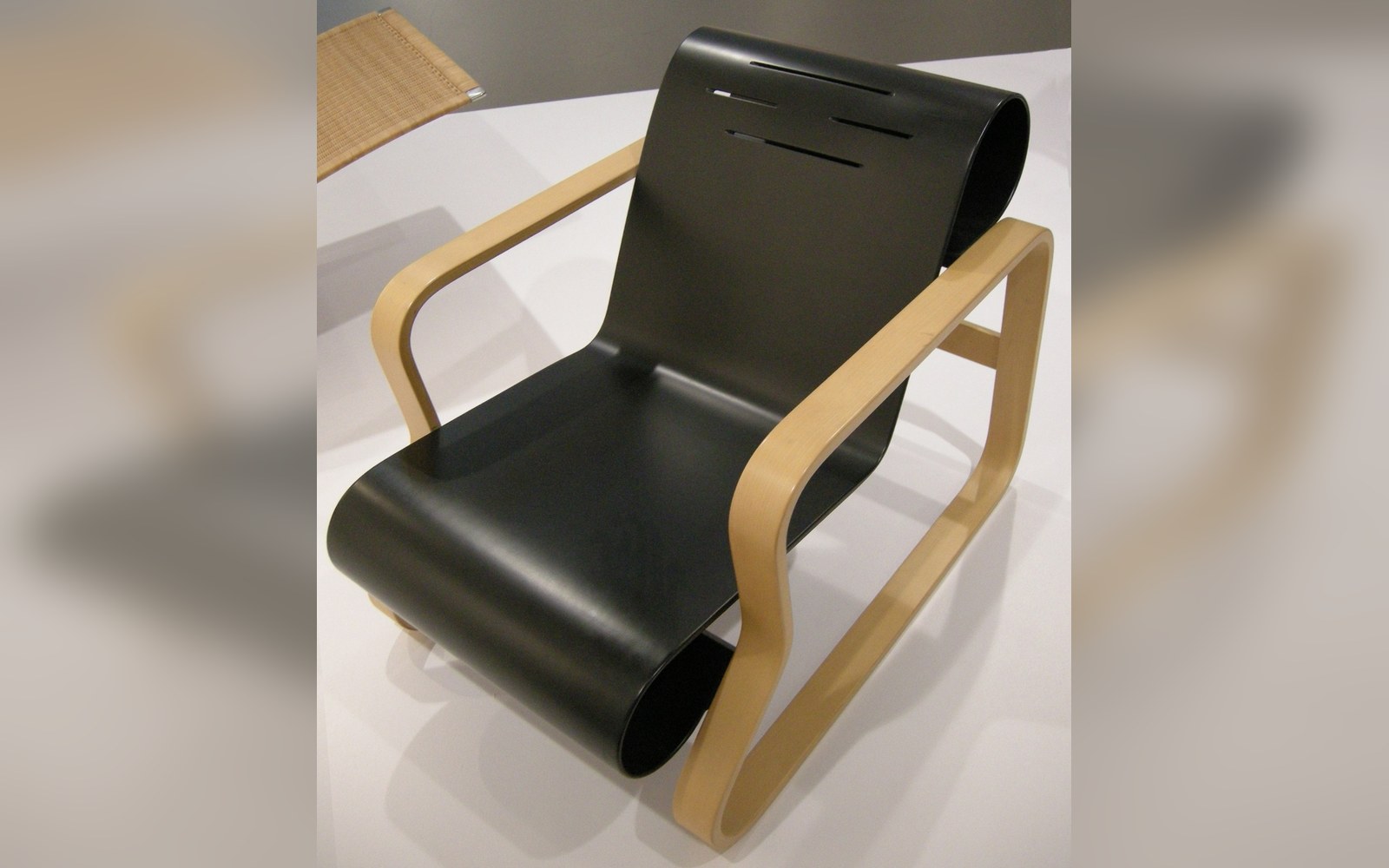
At Paimio Sanatorium, completed in 1933, Alvar Aalto designed a bent-plywood armchair for tuberculosis patients. It is not a chair made to look medical. It is a chair whose geometry is a medical argument.
The Paimio chair — Model 41, produced by Aalto's furniture company Artek from 1935 onward — holds the sitter at a specific reclined angle, with the back curved in a continuous sweep that opens the ribcage outward. The claim behind the form is physiological: that this particular posture eases breathing by expanding the chest cavity and reducing the compression the lungs experience in a conventional upright seat. Tuberculosis attacks lung tissue directly, so breath capacity was not incidental — it was the whole contest. A chair that marginally improved respiratory comfort was, in that clinical context, a therapeutic device.
Aalto designed the sanatorium as an integrated system. The building's orientation placed each patient room on the south-facing facade to maximise winter sun, the ceiling colours were chosen for a patient lying on their back, the washbasins were shaped to drain silently and the door handles were angled so they could not catch clothing. The chair belongs to this same logic: every surface the patient touched had been considered from the position of someone who was ill. This is what distinguishes Paimio from most modernist furniture design, which takes the healthy, mobile adult as its default.
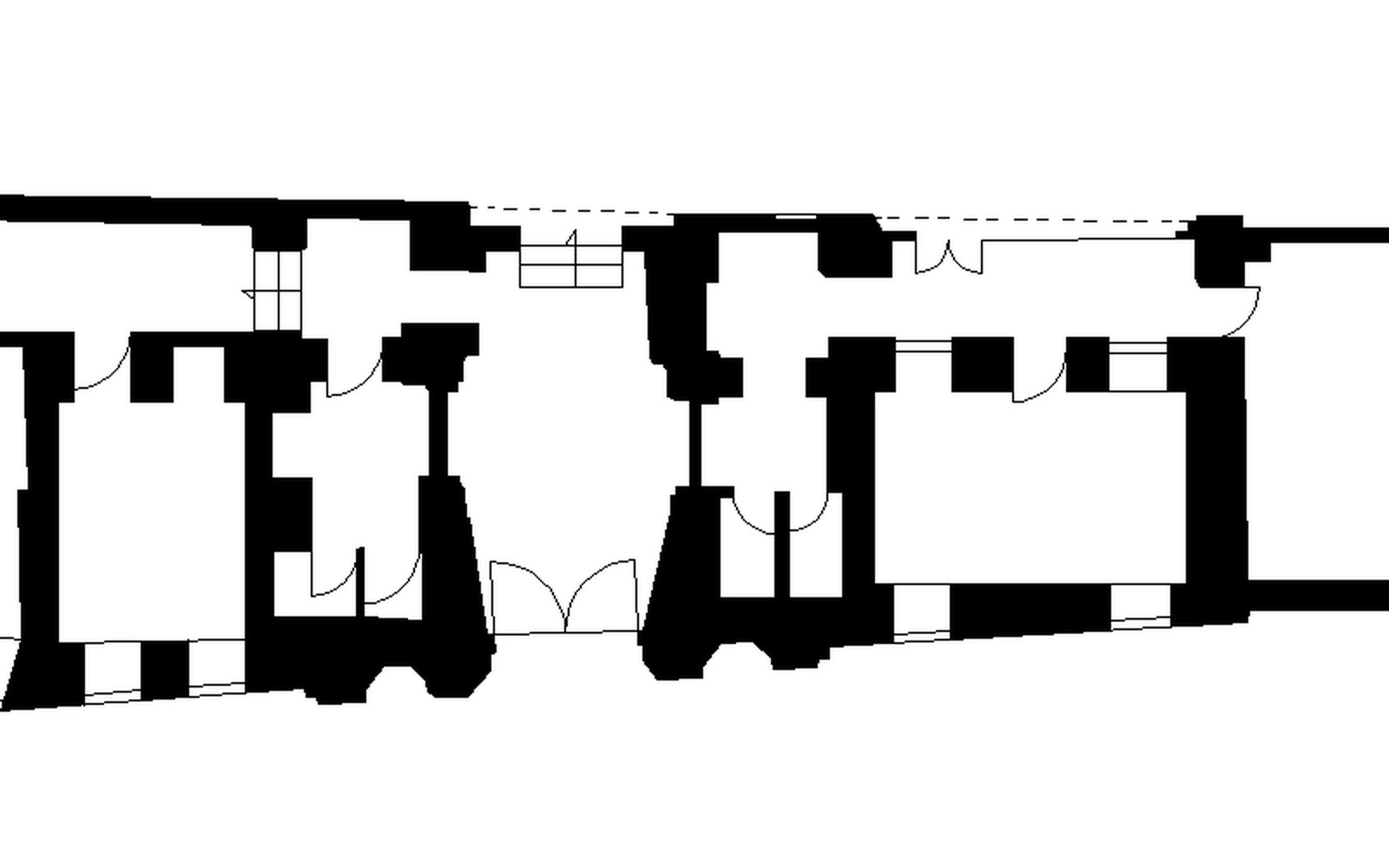
The structural material mattered to the medical claim. Bent laminated birch — the technique that Aalto and Aino Aalto were developing in parallel with the building — produces a resilient, slightly springy surface without metal springs or upholstered padding. Both were hard to clean and could harbour bacteria. The smooth plywood chair was hygienic by construction.
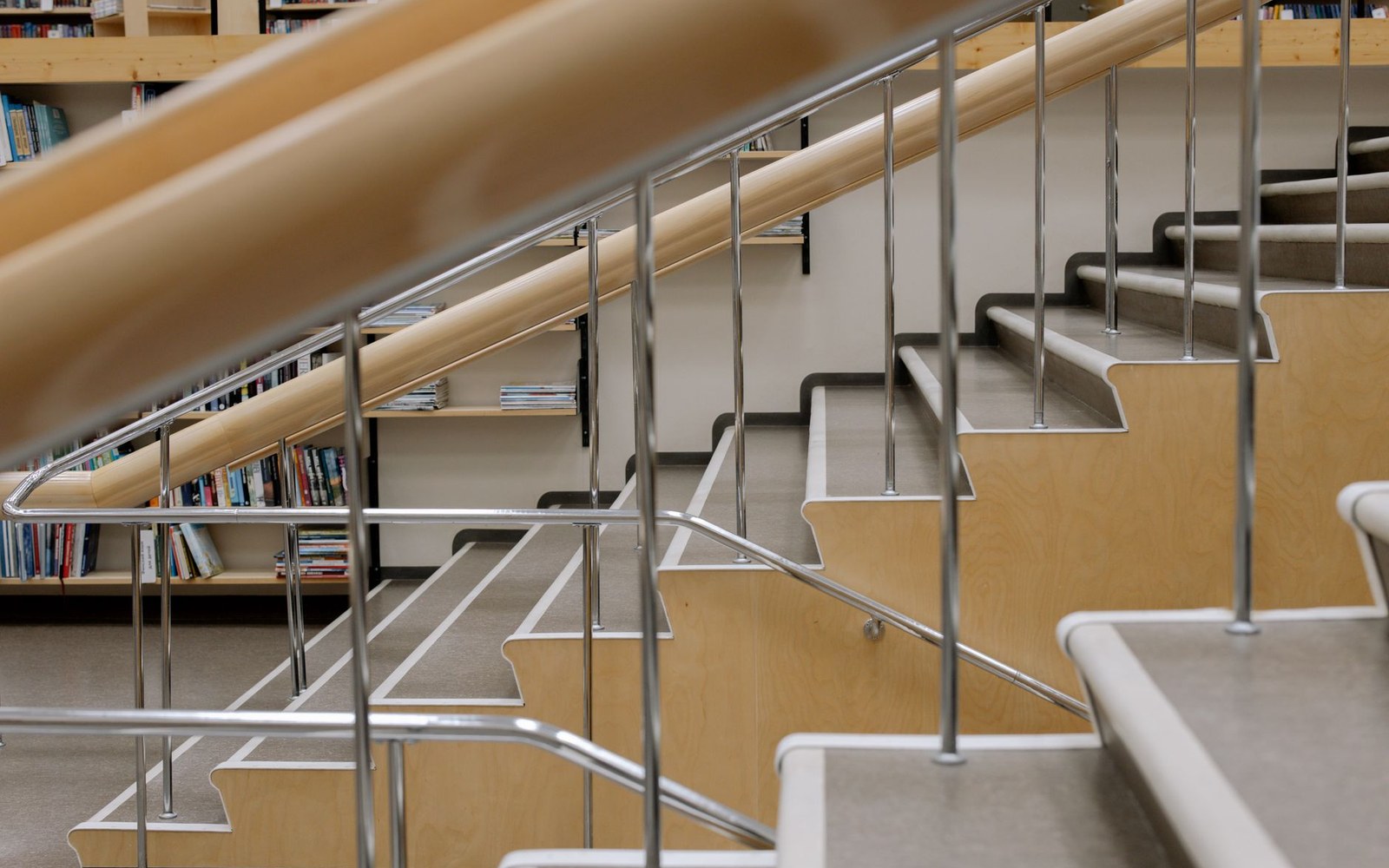

Whether the chair's angle genuinely improves lung function in any measurable clinical sense is a separate question from what it was designed to do. What the form records is a moment when a furniture designer took a specific pathology, a specific patient posture, and a specific material constraint, and bent all three into a single object. The result is a chair that cannot be understood without knowing why it was made — which is exactly what makes it architecture by another name.